

Twilight Wildlife Checklist: 12 British Species to Spot at Dusk
The last hour of light never repeats itself. In late June, dusk in southern England can run past ten in the evening, with bats still feeding well after that. By early December you are standing in near-darkness at half past four, wondering whether anything is awake at all. That shifting window is the reason to go out. Species that keep clear of people all day become briefly visible at dusk, and every season brings a different cast. What follows is a checklist for a year of late evenings: what to look for, when to look, and how to give yourself a fair chance of finding it. You do not need a remote moor or an ancient wood. A churchyard, a canal towpath, a garden hedge and a rough field corner will do, provided you arrive early, move slowly and let your eyes adjust.
Spring: the first warm evenings
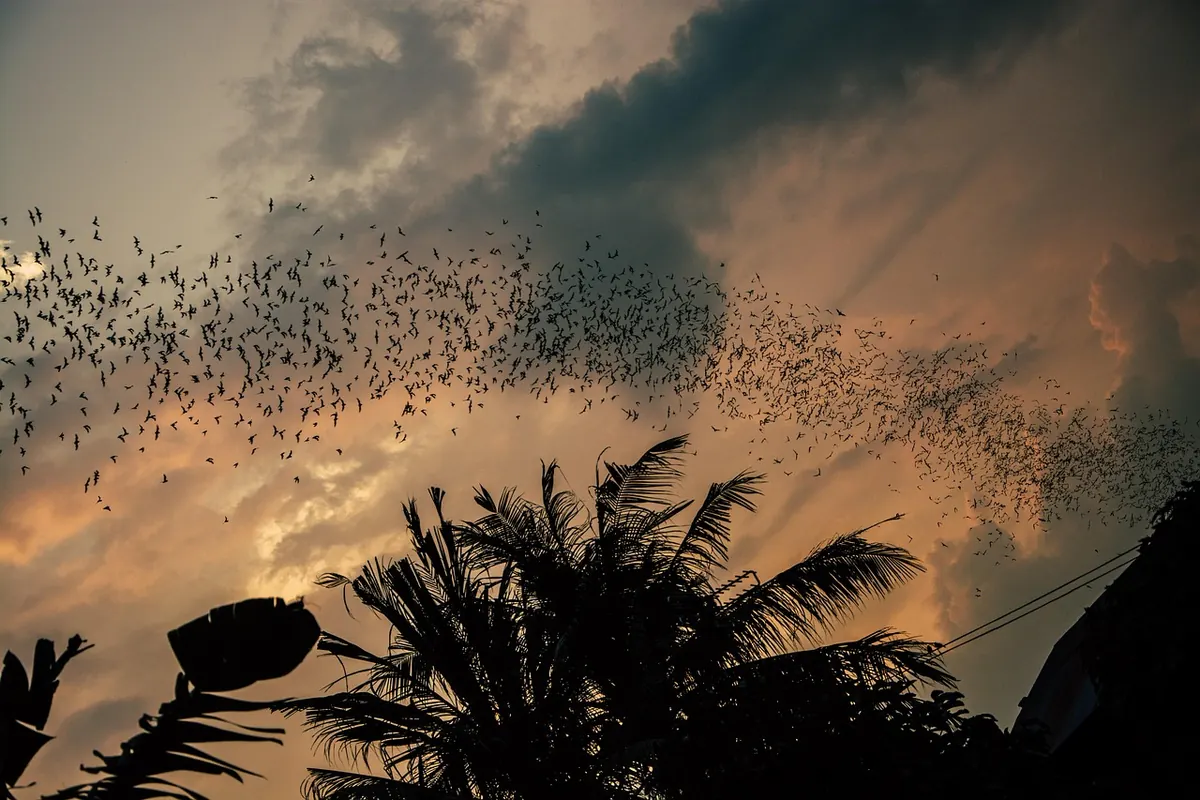
From mid-March, a mild evening — roughly 10°C and rising — is enough to bring the first pipistrelle bats out of hibernation. They leave their roosts around sunset and hunt small flies along hedgerows, flying low and erratic, rarely higher than a lamp post. A bat detector is useful, but you can often just watch. Look for a flicker against the last pale band of sky, then follow it as it turns. Pipistrelles are small enough to be mistaken for large moths until you notice the wingbeats: fast, jerky, and almost impossible to predict.
Hedgehogs are waking too. Look for them along the base of hedges, at the edge of churchyards, and in gardens with a gap in the fence. You will usually hear one before you see it: a steady rustle in dry leaves that sounds far too loud for the animal making it. A hedgehog’s route is often a regular one, so if you find a good spot, return on another mild night. Badger cubs appear above ground from April onwards, though watching a sett is a long game. Arrive an hour before sunset, sit downwind, and be prepared to see nothing for a fortnight. When cubs do emerge, they tumble and chase while the adults keep half an eye on the wood.
Two more spring specialities. Roe deer slip out to feed on field edges at last light, and a sharp bark tells you that you have been spotted. Stand still and they may settle again, drifting through the hedge line like shadows. Woodcock perform their roding flight over woodland from March into June — a slow, heavy silhouette with a frog-like croak and a thin whistle, usually in the twenty minutes after sunset. The flight is a patrol of territory and a courtship display, and it follows the same route night after night, which makes it one of the few dusk spectacles you can plan around.
Summer: the richest hour of the year
June and July are the peak. Bats are the headline act, and an inexpensive heterodyne detector turns an empty sky into a list. Common pipistrelles call at around 45kHz, soprano pipistrelles nearer 55kHz, and noctules at roughly 20kHz — a dry click that some people can hear without any equipment at all. Noctules fly high and early, over open ground and tree lines. Daubenton’s bats stay low over rivers and canals, skimming the surface for insects, so a bridge or a mill pool at dusk is a good place to stand. Watch for the brief touch of belly on water; that is the Daubenton’s signature, and it is far more reliable than trying to identify a silhouette.
On chalk downland and old hedgerows, female glow-worms switch on their cold green light in June and July. They are beetles rather than worms, and the wingless females do the glowing from long grass while the males fly. Go on a warm, still night and keep your torch switched off. Let your eyes adapt for a full ten minutes. A single glow-worm is easy to miss; a hedge bottom with half a dozen points of green light is unforgettable.
Nightjars churr from May to August on heathland, a sound like a distant engine ticking over. Stag beetles fly at dusk in the south-east in late June and July, around old oaks and rotting stumps. Add barn owls quartering rough grass while they feed young, and summer is comfortably the busiest checklist of the year. Barn owls often hunt before full darkness, especially with chicks in the nest, so a walk along a field margin at 9pm can be better than a late-night stakeout.
Autumn: movement, and the last mild nights
Autumn is the season for sound. Tawny owls start calling properly — the familiar hoot, plus the sharp kee-wick of young birds keeping in contact — and by October you will hear pairs answering each other across a wood. Red deer roar at dusk during the October rut, a sound that carries much further than you expect; in the New Forest, Exmoor or the Scottish Highlands it can be the defining noise of an autumn evening. Bats still feed on mild nights, building fat reserves before hibernation. Some swarming takes place at cave mouths and old buildings, where males and females meet before winter. Hedgehogs are visible again too, feeding hard on slugs, beetles and fallen fruit before they disappear into a nest of leaves.
This is also the season when the dusk walk becomes a listening exercise. Leaves fall, air cools, and sound travels. A fox barking in the distance, a little owl calling, the rustle of a badger pushing through bracken — these are often heard long before they are seen. If you only go out once in autumn, pick a still, dry evening after a warm day. The temperature drop is the trigger for a lot of activity.
Winter: the quiet specialists
Winter dusk is short, cold and easily dismissed, but it has its own specialists. Woodcock that bred here are joined by migrants from Scandinavia and Russia, and on hard evenings they fly from open fields to warmer woodland roosts. The flight is fast and direct, usually just after sunset, with a characteristic flicker as the bird twists over the trees. A field edge beside a wood is the place to watch.
Foxes are more vocal in winter, especially in January and February when mating season begins. The scream of a vixen is one of the eeriest sounds of the British dusk, and it is often answered by a dog fox barking. Otters are active at dusk along rivers, canals and estuaries, though they are never guaranteed. Look for a smooth, low wake, a spraint on a flat stone, or the faint whistle of a cub. On the coast, winter starlings gather in murmurations, twisting over reedbeds and piers before dropping into roost. It is not a rare species, but it is one of the great dusk events of the British year.
How to improve your chances at dusk
Dusk wildlife is not really about luck. It is about timing, position and patience. The following habits will make a bigger difference than any expensive equipment.
- Arrive early. Get to your spot at least forty minutes before sunset. Animals are often active in the last light, and you need time to settle, not crash through the undergrowth at the moment they emerge.
- Watch the edges. Hedgerows, field margins, woodland rides, canal banks and the line between water and reeds are all dusk motorways. The open middle of a field is usually empty.
- Use red light sparingly. A red filter on a torch is less disturbing than white light, but the best policy is to keep it off unless you need it. Let your eyes adapt.
- Check the weather. Mild, still, overcast evenings are often
Photo: BenMayr / Pixabay
Related posts
More stories you’ll love reading