
Walks
Twilight Safety Checklist for Solo Explorers: Kit, Communication and Emergency Plans
September 30, 2026
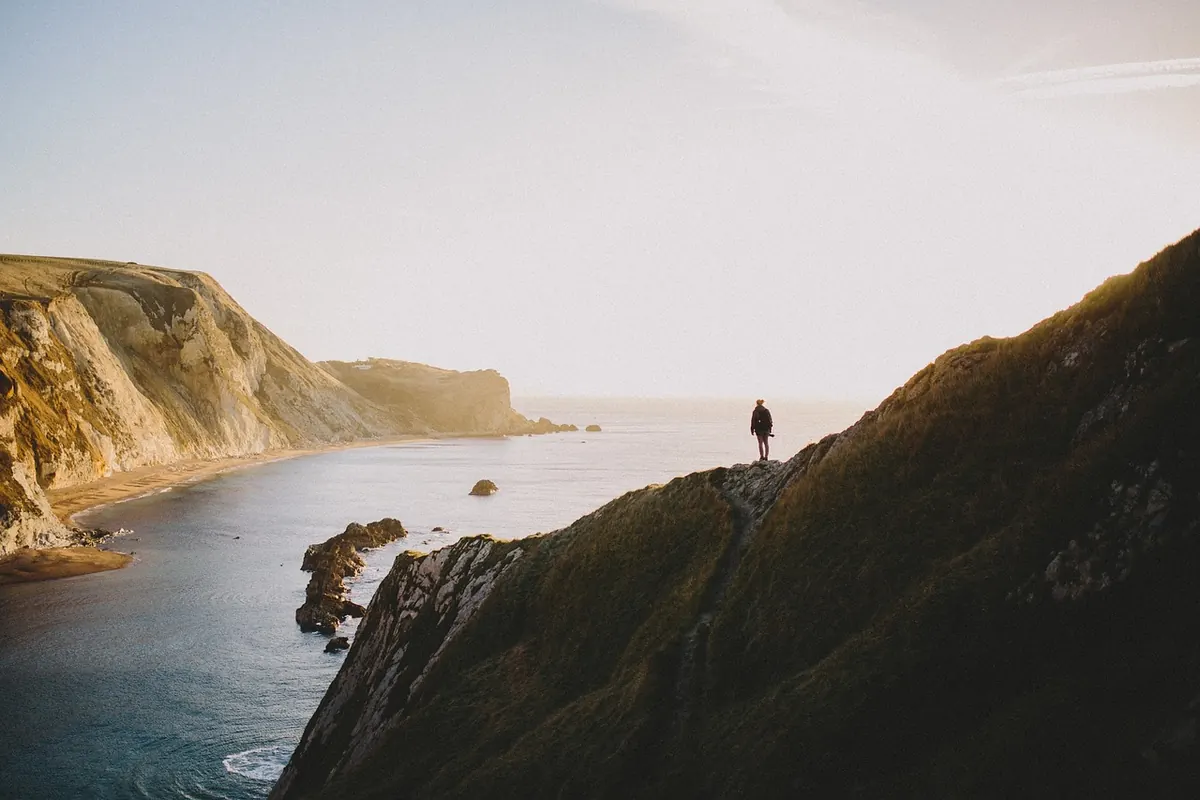
Dusk is a wonderful hour to be out on your own, and a poor one to be caught unprepared. In Britain the light goes quickly, especially from October onwards, when a walk that felt generous at four o'clock is a different proposition by half past. Solo dusk walking is entirely sensible. It just runs on a simple system: your own light, your own warmth, your own communications, and a plan for when one of those lets you down.
Light: more than one, and all of them working
A head torch is the most useful thing you can carry after dark. It keeps both hands free for gates, stiles, pack straps and the ground where wet roots hide in leaf litter. But one head torch is one point of failure, so a small handheld torch goes in a jacket pocket, and a third light in the pack is not excessive. Check them all before you leave the house, and carry spare batteries if yours take them.
Switch the first torch on earlier than you think you need to. The hard part of a dusk walk is rarely the pitch dark; it is the twenty minutes when your eyes are still adjusting and every shadow could be a step or a stone. A low or red setting is easier on your night vision when you stop to read the map, and it pays to angle the beam downwards when you meet a car or another walker. A face full of white light at close range dazzles people.
Layers, feet and being seen
Three thin layers work better than one thick one: a wicking base, an insulating mid-layer and a waterproof shell. Add a spare dry layer in a dry bag, plus hat and gloves even in summer, because a damp evening on open ground is colder than the temperature suggests. Long trousers are worth the bother, whatever the season — brambles, nettles and ticks do not check the calendar. Footwear wants grip rather than cushioning; wet grass, mud and gravel are what you will actually be standing on.
Visibility matters more than most people expect. Drivers on narrow country lanes see very little at dusk, and the light sits at exactly the angle that turns a windscreen into a mirror. Wear something bright, add reflective strips to your pack if you walk lanes often, and on a road without a pavement walk facing the traffic with your torch on.
Phone, signal and battery
Signal is not a plan. Valleys, woods, cuttings and the far side of almost any hill will swallow it, and the moment you need a call is rarely the moment you have a bar. Download offline maps for the area before you go, and take either a paper map or a printed route note as well.
Batteries suffer in the cold, so keep the phone in an inside pocket rather than a pack lid, and carry a charged power bank with a cable you have actually tested. Aeroplane mode stretches a day's battery considerably: switch it off on a summit or at a viewpoint, send your check-in message, then switch it back on. If you normally navigate by phone, make this walk the exception and carry a map and compass you know how to use.
The information you leave behind
Before you set off, send one message to one person with the boring details: where you are walking, your route, your start time, your expected finish, what you are wearing, where you have parked, and the time they should start to worry. Ask them to reply so you know it has arrived.
Agree what happens next. If you have not been in touch by the agreed time, they should try to call you twice, then ring 999 or 112 and ask for the police, explaining that you are walking and overdue. That permission matters — people hesitate to make a fuss, and an hour of hesitation makes a search harder.
If it goes wrong for you
Stop. Most trouble in the dark comes from pressing on to "just reach the top of the next field". Find shelter from the wind, put on every layer you have, sit on your pack rather than on the ground, and eat something. If you have signal, call 999 or 112 and be ready to describe where you are: a location pin, a grid reference, or a clear description of the last gate, bridge or road you crossed all help. A text message sometimes gets through when a call will not, so try both. Once someone knows where you are, stay put unless advised otherwise, and keep a light on. If anyone is injured, or you are unsure how serious something is, call for help rather than walking out on it — medical decisions belong with the professionals.
Turnaround times and bail-out points
Decide on a turnaround time before you leave, write it on the map, and treat it as fixed.
Choose a turnaround time while you are still warm and dry, then obey it when you would rather not.
Then mark your bail-out options: the footpath that cuts back to the lane, the track that drops to the village, the field gate that saves a mile of exposed ridge. Two or three is plenty. If the weather turns, the light goes before you expected, or you are simply slower than planned, you want that decision to be a short one, made from a map you already understand.
The pre-departure checklist
Run through this at the door, out loud if you are the sort of person who forgets things.
- Head torch charged or freshly batteried, and switched on to prove it.
- Second torch in a jacket pocket.
- Phone charged, offline map downloaded, power bank and cable packed.
- Map and compass, or a paper route note, in a pocket rather than the pack.
- Waterproof shell, spare warm layer, hat and gloves.
- Water and something to eat, even on a short walk.
- Bright or reflective layer visible.
- Message sent: route, timings, clothing, car details.
- Turnaround time and bail-out points marked on the map.
- Keys somewhere you can find them with cold hands in the dark.
Home in the dark
The last stretch back to the car is where people relax, and it is worth staying switched on for it. Keep your torch on until you are inside, walk the lane rather than cut across a verge you cannot see, and have your keys ready before you reach the vehicle.
Then send the message that says you are back. It takes ten seconds and saves somebody an evening of watching their phone. Empty the pack, dry the layers, put the head torch on charge by the door, and note anything you wished you had brought. Dusk walking is a habit worth keeping, and those small corrections are what keep it a safe one.
Photo: StockSnap / Pixabay
Related posts
More stories you’ll love reading