

Walks
How to Plan a Twilight Walk: A Beginner's Guide to Timing, Terrain and Safety
September 13, 2026
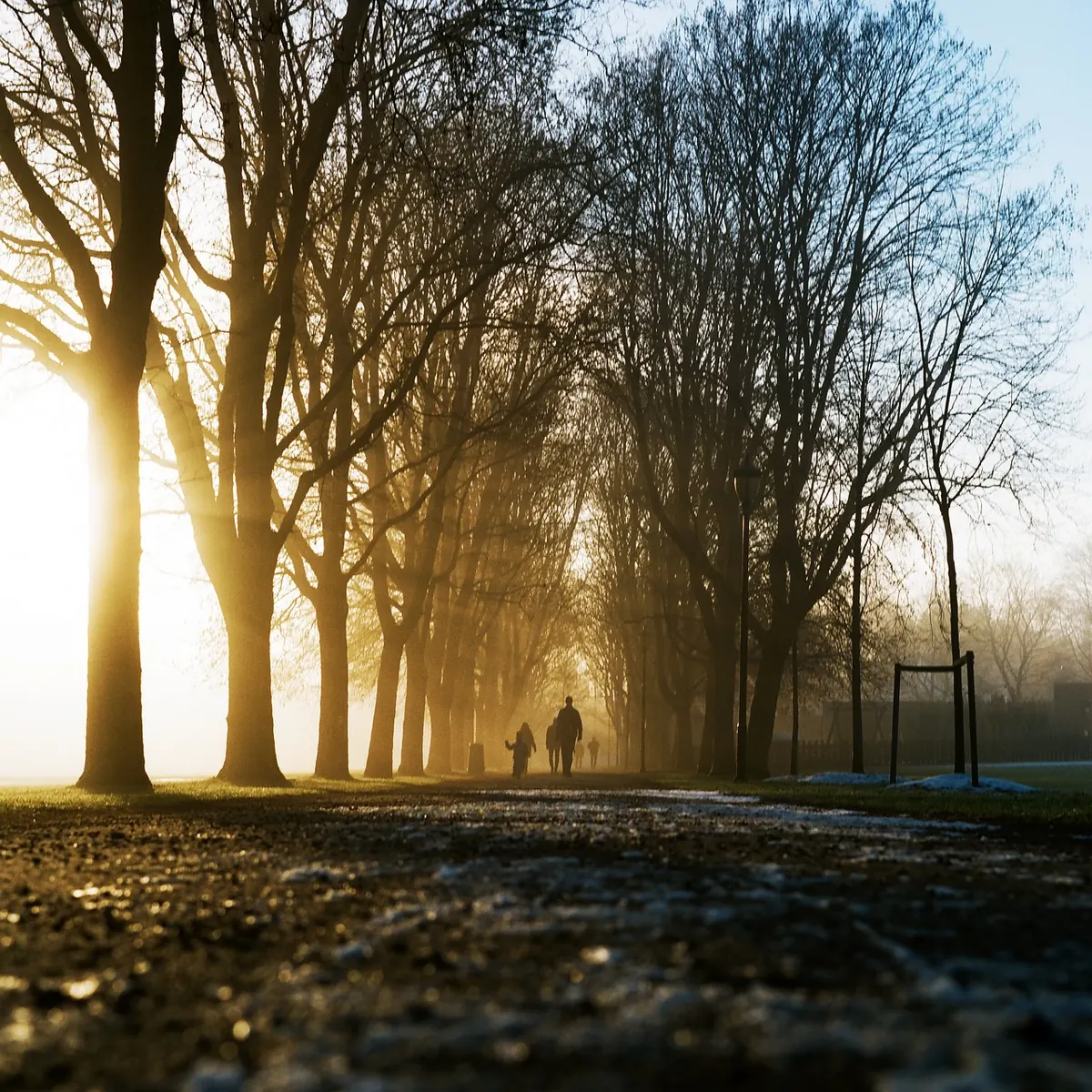
Dusk is the most generous hour of the day. The crowds thin, the light turns copper and then blue, and a route you have walked a dozen times suddenly has something new to say. It is also the hour when most people misjudge distance, lose the path and end up fumbling for a phone torch in a wood. The difference between a magical evening and a miserable one is rarely luck. It is timing, terrain and a small amount of kit.
Start with the sunset, not the map
Before you choose a route, find out when the light actually goes. Sunset is only the beginning of the story. After it, civil twilight gives you roughly half an hour of usable light in Britain, and it runs longer on a midsummer evening than in December. Once that fades, you are walking in the dark whether you have admitted it or not.
Look up sunset and twilight times for the specific place you are going, not for the nearest big town. Coastal west-facing headlands hold light noticeably longer than a valley two miles inland. Then work backwards. If sunset is at 20:40 and you want twenty minutes at your viewpoint before it, you need to be there by 20:20, which means starting at whatever time your pace and distance require.
A few things will steal your light earlier than the table suggests:
- Hills to the west, which can cut the evening short by a surprising margin
- A deep valley, gorge or dense woodland canopy
- Low cloud, which drains colour well before official sunset
- A late start, which is the most common mistake of all
Winter walking deserves a particular mention. A 16:00 sunset means your whole outing happens in the last of the afternoon light, so plan a shorter route and set off earlier than feels necessary.
Choose a route you could walk almost blindfolded
Dusk is not the time for a first visit to somewhere new. A path that looks obvious in daylight becomes a set of vague suggestions in the half-light, and a stile you did not notice on the way out is easy to walk straight past on the way back.
Pick somewhere you know reasonably well, and pick a route with forgiving ground. Good surfaces for twilight include well-made tracks, canal towpaths, estate paths, forestry roads and quiet lanes. Less forgiving: tussocky moorland, boulder fields, steep rocky descents, riverside paths with muddy edges, and anything involving faint trods across open country.
Designing the shape of the walk
An out-and-back is easier to manage than a loop, because you only need to recognise the route in one direction. Aim for roughly half the distance you would comfortably walk in daylight, and give yourself a fixed turnaround time rather than a turnaround point. If you are still walking when your turnaround time arrives, stop and turn, even if the summit is "only ten minutes away". It rarely is.
A useful rule of thumb: if the colour has gone from the sky, you should already know exactly where your torch is.
Lighting, layers and the kit that earns its place
Your phone is a backup, not a plan. Batteries drain faster in cold air, screens are awkward to hold while walking, and a phone torch lights about two metres of path at a time. Carry a proper torch, ideally a head torch so your hands stay free for gates, stiles and map reading.
- Head torch with a low setting as well as a bright one, plus spare batteries or a charged power bank
- Small hand torch as a second light in case the first fails
- Reflective or bright outer layer if any part of the route touches a road or lane
- Warm layer, hat and gloves, even in summer — temperatures drop quickly after sunset
- Water and a snack, because low blood sugar and low light are a poor combination
- Paper map and compass, plus a small first aid kit and a whistle
Learn to walk on the low beam. Bright white light destroys your night vision and turns the world into a narrow tunnel; a dimmer setting lets you see the shape of the path and the sky at the same time. When you do stop to look at the view, switch the torch off for a few minutes and let your eyes adjust. It takes longer than you expect, and it is worth it.
Staying safe after the light goes
Tell someone where you are going, the route you plan to take and when you expect to be back. Send a message when you finish. This single habit covers more emergencies than any piece of kit.
Check the forecast before you leave, paying attention to wind and cloud as well as rain. Wind chill after sunset is genuinely punishing, and wet ground underfoot is slower and slippier in the dark. If you are walking the coast, check tide times as well as sunset times; a beach that was wide open at six o'clock can be a different proposition an hour later.
Follow the Countryside Code: close gates, keep dogs under control around livestock, and stay on public rights of way. If a path crosses private land or passes near a farm, keep voices low and torches pointed at the ground rather than into windows or at animals.
If you have a heart or breathing condition, or you are returning to walking after illness or injury, speak to a medical professional before taking on anything strenuous or remote.
A first twilight walk, step by step
- Choose a familiar route of 60 to 90 minutes on good surfaces.
- Look up sunset and twilight times for that exact spot.
- Start 60 to 75 minutes before sunset, so you walk out in daylight.
- Pack by the list above, charge your phone and test your torch at home.
- Leave a note or message with your route and expected return time.
- Walk out at an easy pace, turning back at your set time rather than your set distance.
- If there is a viewpoint, pause there for sunset and switch the torch off while the light fades.
- Head home on the low beam, walking slower than you think you need to.
Expect the return leg to take longer than the outward one. It almost always does.
Making it a habit
Once you have one dusk walk under your belt, repeat the same route through the year. The same path in October, January and May might as well be three different places, and you will learn more about light, weather and your own pace than any guide can teach you. Extend the distance gradually, add a new section once you know the old one well, and keep the turnaround time rule even when you are feeling confident. Twilight rewards preparation with something no daylight walk quite offers: quiet, colour, and the sense that the day has been properly closed.
Photo: StockSnap / Pixabay
Related posts
More stories you’ll love reading